
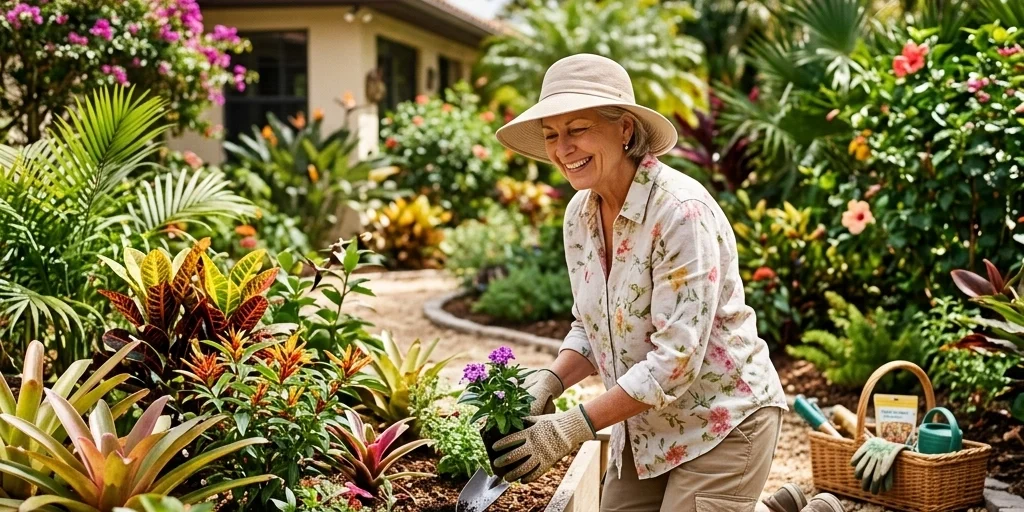
Spring in Southwest Florida is a magical time. In communities like Venice and Port Charlotte, the humidity is still manageable, the sun is bright, and the bougainvillea is in full bloom. For many of us, this is the season we live for, spending hours in the dirt, nurturing our hibiscus, and perfecting our landscaping.
However, for those living with chronic discomfort, a day in the garden can often lead to a week of recovery. At Family Spine & Pain Care Institute, we believe that physical limitations shouldn’t keep you from the hobbies you love. Whether you are dealing with lingering lower back pain, stiff joints, or repetitive strain, achieving pain-free gardening is possible with the right approach.
In this guide, we’ll explore how you can protect your body while enjoying the Florida sun, and when it might be time to see a specialist for non-surgical relief.
1. Prepare Your Body Like an Athlete
You might not think of weeding the flower beds as a workout, but your spine and joints certainly do. Before you grab your trowel, take ten minutes to warm up. A brisk walk around your yard followed by gentle stretches can prepare your muscles for the labor ahead.
Focus on your “core” and your extremities. Gentle wrist circles and “prayer” stretches (pressing your palms together and slowly lowering them) can prevent wrist pain associated with repetitive clipping. Likewise, gentle cat-cow stretches or pelvic tilts can wake up the muscles supporting your spine. Think of this as a “pre-habilitation” session for your pain-free gardening day.
2. Master the Art of Proper Lifting
One of the most common ways gardeners end up in our clinic is by lifting heavy bags of mulch or potting soil incorrectly. In Southwest Florida, our soil can be sandy and heavy, especially after a spring rain.
To maintain a healthy spine:
- Bend at the knees, not the waist.
- Keep the load close to your body.
- Avoid twisting while carrying something heavy. If you need to turn, move your feet rather than rotating your torso.
- Use a wagon or a rolling cart for anything over 20 pounds.
If you already struggle with lower back pain, these precautions are non-negotiable. Protecting your lumbar discs is the first step toward a sustainable hobby.
3. Invest in Ergonomic Tool Selection
The tools you use can make or break your experience. Look for tools with “soft-grip” or “non-slip” handles. If you have arthritis in your hands, larger, built-up handles require less grip strength and reduce the strain on your small joints.
Long-handled tools are a game-changer for pain-free gardening. They allow you to stand upright while hoeing or raking, preventing the constant forward lean that causes head and neck conditions. If you must get close to the ground, use a high-quality garden kneeler or a rolling seat to keep your hip pain or knee pain at bay.
4. Prioritize Hydration for Spinal Health
We all know that drinking water is important in the Florida heat to prevent heatstroke, but did you know it’s also essential for your spine? Your spinal discs are largely composed of water. When you are dehydrated, these “shock absorbers” can lose height and flexibility, leading to increased friction and pain in the vertebrae.
As you enjoy the outdoors in Venice or Port Charlotte, keep a water bottle nearby. For every 30 minutes of activity, aim for 8 ounces of water. This simple habit keeps your discs “plumped” and your muscles lubricated, facilitating a much smoother pain-free gardening experience.
5. Manage Stress and Pacing
Gardening is meant to be a stress-reliever, but trying to finish an entire landscaping project in one Saturday can lead to physical and mental burnout. Stress increases the cortisol in your body, which can heighten your perception of pain.
Break your tasks into manageable “shifts.” Spend 30 minutes planting, then take a 15-minute break in the shade. Rotate your tasks to avoid repetitive motion injuries, spend some time standing and pruning, then switch to sitting and weeding. This variety ensures no single muscle group is overworked.

6. Utilize Southwest Florida-Specific Strategies
Our local environment presents unique challenges. The soil in Venice and Port Charlotte can become incredibly packed during dry spells, making digging a literal pain.
- Soften the ground: Lightly water your garden beds an hour before you plan to dig to reduce the force required.
- Native Plants: Choose drought-tolerant native species. They require less maintenance, meaning less time spent on your hands and knees.
- Mulching: A thick layer of mulch suppresses weeds and retains moisture, reducing the amount of labor you have to perform throughout the season.
7. Know When to Seek Professional Relief
Sometimes, despite our best efforts at pain-free gardening, the pain persists. If you find that your back, neck, or joints hurt for more than 48 hours after gardening, it may be time to consult the experts at Family Spine & Pain Care Institute.
We specialize in minimally invasive, non-surgical treatments designed to get you back to your garden beds quickly.
Non-Surgical Options for Lasting Relief:
- Platelet-Rich Plasma (PRP) Therapy: We use your body’s own healing cells to accelerate the repair of tendons and ligaments in the elbows, knees, and hips.
- Radiofrequency Ablation (RFA): For chronic back or neck pain, RFA uses heat to “turn off” the pain signals from specific nerves, providing months or even years of relief.
- Epidural Steroid Injections: These can reduce inflammation around the spinal nerves, helping you regain the mobility needed for outdoor activities.
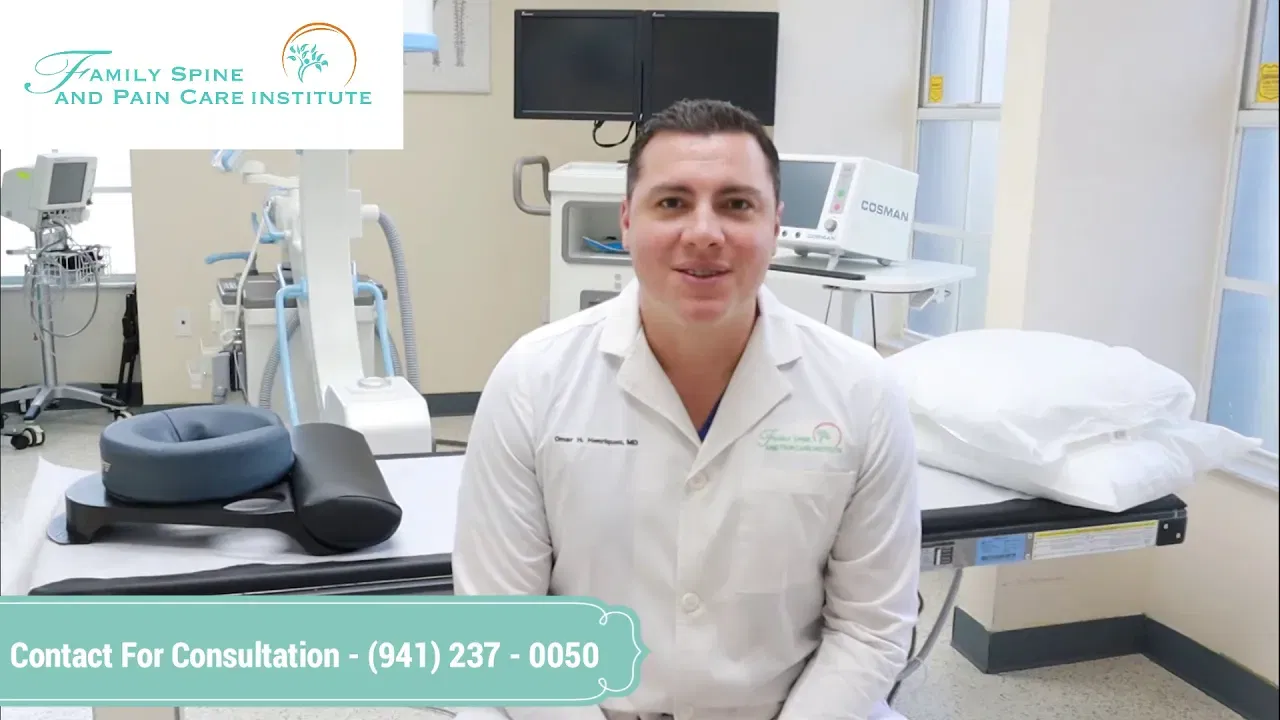
At our institute, led by experts like Dr. Jorge Henriquez and Steven Leonard, our mission and commitment is to provide compassionate care tailored to your specific lifestyle. We are also proud to announce that we are now accepting Workers’ Comp cases, helping local professionals return to work (and their gardens) safely.
Q&A: Your Gardening Pain Questions Answered
Q: Why does my lower back always hurt after weeding?
A: This is often due to “static loading.” When you bend over for long periods, your back muscles must work overtime to hold you in that position. Try using a garden stool or kneeling on one knee to keep your spine neutral.
Q: Can PRP help with my “Gardener’s Elbow”?
A: Yes! Lateral epicondylitis (tennis or gardener’s elbow) responds very well to PRP therapy. It helps heal the micro-tears in the tendon caused by repetitive gripping and twisting.
Q: Is gardening okay if I have a herniated disc?
A: It can be, but you must avoid heavy lifting and extreme twisting. We recommend a consultation to discuss your specific conditions and treatments before starting a heavy gardening season.
Q: Do you offer same-day appointments for acute flare-ups?
A: We strive to see our patients as quickly as possible at both our Venice and Port Charlotte locations to manage pain before it becomes chronic.
Reclaim Your Green Thumb Today
Don’t let chronic pain turn your sanctuary into a source of suffering. By following these pain-free gardening tips and seeking help when needed, you can enjoy the beauty of Southwest Florida all year long. Our team of professionals, including Alexis Conner and Cheryl Branche, is here to support your journey back to an active, comfortable life.
According to the Arthritis Foundation, gardening is actually one of the best forms of low-impact exercise for maintaining joint flexibility, provided you use the correct techniques.
Ready to start your journey toward a pain-free spring?
👉 Contact us today to schedule your consultation!
📍 Venice Office
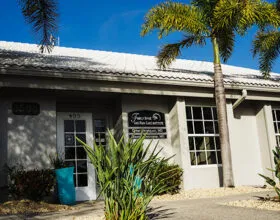
1505 S Tamiami Trail #405, Venice, FL 34285
📍 Port Charlotte Office
3390 Tamiami Trail Suite 201 & 202, Port Charlotte, FL 33952
📞 Phone: 941-237-0050
🌐 Website: fsapcare.com