
If you are struggling with leg pain or numbness that only gets better when you lean forward on a grocery cart, you likely have spinal stenosis. The good news is that you don’t always need major surgery to find relief; modern, minimally invasive procedures can open up your spinal canal and get you back to walking the Venice beaches or golfing in Sarasota without pain.
At Family Spine & Pain Care Institute, led by Dr. Omar Henriquez, we specialize in cutting-edge treatments that target the root cause of your discomfort. Whether you are searching for a pain management clinic near me in Venice, Port Charlotte, or Sarasota, our team is dedicated to providing compassionate care that restores your mobility and quality of life.
What Is Spinal Stenosis and Why Does It Hurt to Walk?
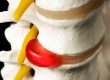
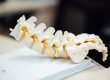
Spinal stenosis is a condition where the spaces within your spine narrow, putting pressure on the nerves that travel through the spine. This most commonly occurs in the lower back (lumbar spine).
Many of our patients in Sarasota and Charlotte County describe a very specific set of symptoms known as neurogenic claudication. This isn’t just a simple backache; it’s a heavy, cramping, or tingling sensation in the legs that triggered by standing or walking.
The “Shopping Cart Sign”
One of the most telling signs of lumbar spinal stenosis is what doctors call the “shopping cart sign.” Do you find yourself leaning forward over your cart at the grocery store because it’s the only way to stop the ache in your legs?
When you lean forward (flexion), you naturally create a tiny bit more space in your spinal canal. This temporary “opening” relieves the pressure on your nerves. However, as soon as you stand up straight to continue your walk, the canal narrows again, the pressure returns, and the pain starts all over.

7 Proven Minimally Invasive Treatments for Spinal Stenosis
If conservative treatments like physical therapy or medication haven’t worked, you might feel like surgery is your only option. However, our pain management Venice FL and Port Charlotte locations offer several outpatient procedures that require no hospital stay and offer quick recovery times.
1. Epidural Steroid Injections (ESI)
An epidural steroid injection is often the first line of defense against the inflammation caused by stenosis. We use fluoroscopic (live X-ray) guidance to deliver powerful anti-inflammatory medication directly into the epidural space. This helps reduce swelling around the compressed nerves, providing significant back pain relief and improved leg function.
2. The MILD® Procedure
MILD stands for Minimally Invasive Lumbar Decompression. This procedure is designed specifically for patients with “shopping cart sign” symptoms caused by a thickened ligament in the back. Through a tiny incision (smaller than a pencil eraser), we remove small pieces of excess ligament to “un-pinch” the nerves.
- No general anesthesia required.
- No implants left behind.
- Resume activity within 24 hours.
3. The Minuteman® Procedure
The Minuteman Procedure is a breakthrough for those who need a bit more stability. It is a minimally invasive interspinous-interlaminar fusion device. It helps to stabilize the spine and maintain that “open” feeling you get when leaning forward, effectively treating both stenosis and mild spinal instability. Dr. Henriquez is an expert in this technique, often completing it in a short outpatient visit.
4. Vertiflex™ Superion™ Spacer
Similar to the Minuteman, the Vertiflex procedure involves placing a small titanium spacer between the vertebrae. This spacer acts as a “kickstand,” keeping the spinal canal open even when you are standing upright. This is an excellent option for patients who want to avoid traditional decompression surgery.
5. Intracept® (Basivertebral Nerve Ablation)
While stenosis often causes leg pain, many patients also suffer from chronic low back pain caused by “vertebrogenic” issues. The Intracept procedure targets the basivertebral nerve within the vertebrae itself. By using radiofrequency energy to ablate this nerve, we can stop the transmission of chronic pain signals from the damaged vertebral endplates.
6. Radiofrequency Ablation (RFA)
If your spinal stenosis is accompanied by arthritis in the facet joints (the small joints of the spine), radiofrequency ablation can be a game-changer. We use thermal energy to disrupt the nerve’s ability to send pain signals to the brain. This can provide relief for 6 to 12 months or longer.
7. Nerve Blocks
For diagnostic and therapeutic purposes, nerve blocks can help identify the exact level of the spine causing your symptoms. By numbing specific nerves, we can determine if you are a candidate for more permanent procedures like RFA or the Minuteman procedure.

Why Choose Family Spine & Pain Care Institute?
Living with chronic pain is exhausting. It stops you from enjoying the things that make life in Florida great, like beach walks, golf, and spending time with family. At Family Spine & Pain Care Institute, we don’t just mask your symptoms; we target the root cause using the most advanced medical technology available.
- Expert Care: Our board-certified physicians, including Dr. Omar Henriquez, have years of experience in minimally invasive spine care.
- Local Convenience: With locations in Venice and Port Charlotte, world-class pain management is right in your backyard.
- Quick Recovery: Most of our procedures are performed in our outpatient facility, meaning you can go home the same day and get back to your life within 24–48 hours.
- Compassionate Environment: We treat you like family. From your first consultation to your follow-up, your comfort is our priority.
According to the Arthritis Foundation, managing spinal stenosis early is key to maintaining long-term mobility. Don’t wait until you can no longer walk to your mailbox before seeking help.
Q&A: Frequently Asked Questions About Spinal Stenosis
Q: Is the Minuteman procedure considered major surgery?
A: No. The Minuteman procedure is a minimally invasive, outpatient procedure. It involves a very small incision and much less recovery time than traditional spinal fusion surgery.
Q: Will insurance cover these minimally invasive treatments?
A: Most major insurance providers, including Medicare and Medicaid, cover many of these procedures. We also proudly accept Workers’ Compensation cases. Our team can help you navigate your coverage.
Q: How long is the recovery for the MILD procedure?
A: Most patients are back to their normal, light activities within 24 hours. There are no stitches required, just a small adhesive bandage.
Q: Do I need a referral to visit your pain management clinic in Port Charlotte or Venice?
A: Referral requirements depend on your insurance provider. Give our office a call at (941) 237-0050, and our patient care coordinators can assist you.
Take the First Step Toward Pain-Free Living
You don’t have to let spinal stenosis dictate your schedule. Whether you need an epidural steroid injection, the Minuteman procedure, or expert advice on nerve blocks, our team is here to help you stand tall again.
👉 Ready to get back to the activities you love?
Main Office
1505 S. Tamiami Trail, #405, Venice, FL 34285
Hours: Mon – Fri 8:00am – 5:00pm
Port Charlotte Office
3390 Tamiami Trail, Suite 201 & 202, Port Charlotte 33952
Hours: Mon – Fri 8:00am – 5:00pm
📞 Call us today at (941) 237-0050 to schedule your consultation or book online here.