
Whether you work at a desk or spend hours on your feet, posture plays a crucial role in your overall health. Poor posture can lead to chronic pain in the neck, shoulders, and back, and over time, it may even contribute to nerve compression or degenerative spinal issues. At Family Spine & Pain Care Institute, we understand how everyday habits can lead to discomfort—and we’re here to help you correct them.
Below are 10 proven, practical ways to improve posture and reduce work-related pain, so you can stay comfortable and pain-free throughout your day in Venice, FL.
1. Set Up an Ergonomic Workspace
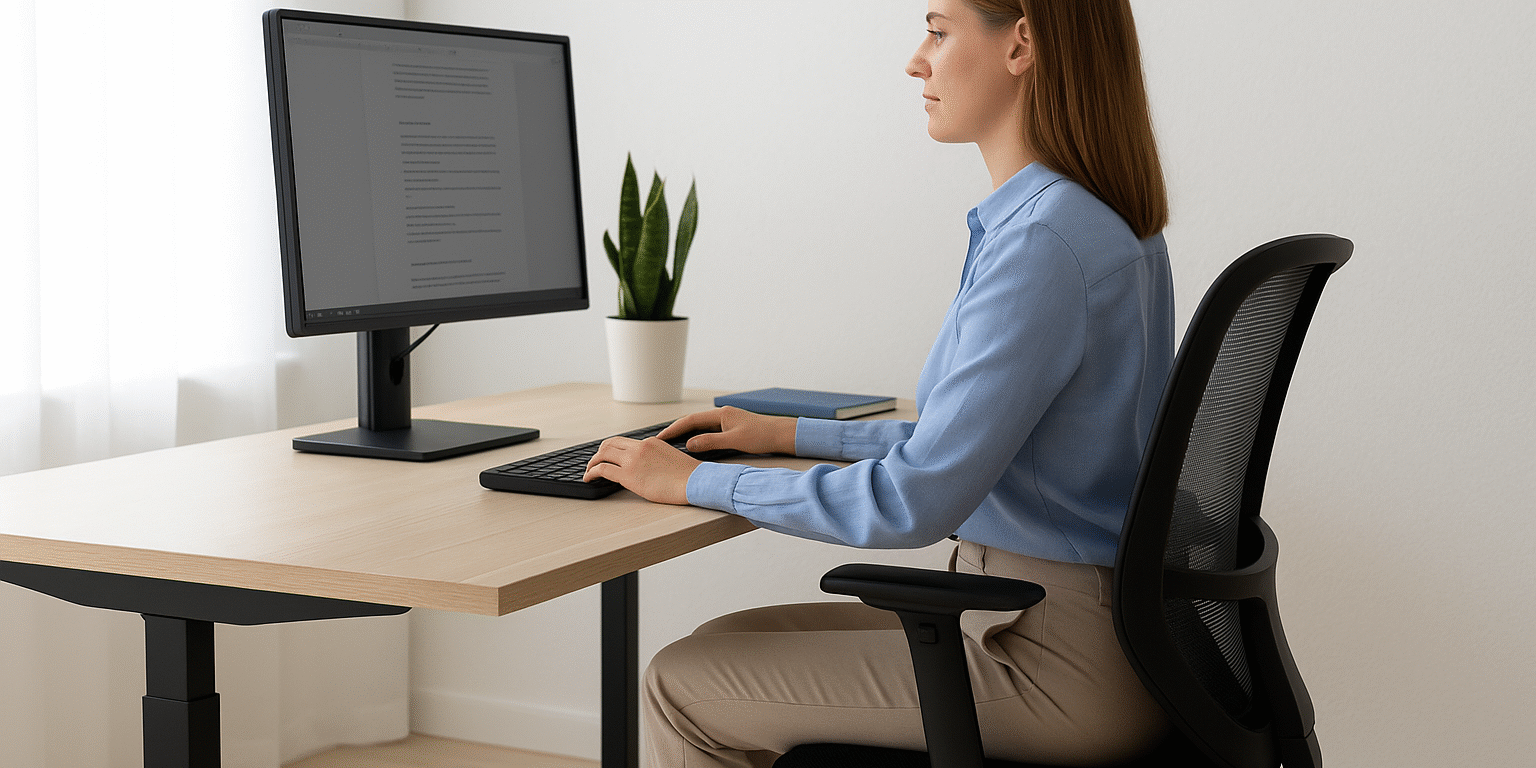
Your work environment has a direct impact on your posture. Adjust your chair so that your feet are flat on the floor and your knees are level with your hips. Keep your monitor at eye level to avoid leaning forward or looking down. The Occupational Safety and Health Administration (OSHA) provides helpful ergonomic workspace guidelines that can support long-term spinal health.
2. Strengthen Your Core Muscles
A strong core is the foundation of good posture. Core-strengthening exercises—like planks, bridges, and gentle yoga—help support your spine and relieve pressure on your lower back. You can also explore our article on 5 Powerful Exercises to Support Spine Health for more ways to build strength safely.
3. Take Standing or Stretching Breaks
Sitting for long periods increases tension in the back and hips. Aim to stand, stretch, or walk around every 30 minutes. Even small movements—like shoulder rolls or gentle twists—can help improve circulation and reduce stiffness throughout the workday.
4. Keep Your Shoulders Relaxed
One of the most common posture mistakes is letting your shoulders hunch forward, especially when using a computer or phone. Try to keep your shoulders relaxed and slightly pulled back. Imagine lengthening your spine and aligning your ears over your shoulders.
5. Use Proper Footwear and Support
If you stand for most of the day, wear supportive shoes with good arch support. Avoid high heels or unsupportive flats that can throw off spinal alignment. For those with chronic lower back or leg pain, custom orthotics may help distribute weight evenly and reduce fatigue.
6. Mind Your Screen Time
Constantly looking down at a phone or tablet can cause “tech neck,” a common source of chronic pain. Keep screens at eye level when texting or working on a mobile device. Try using a headset or voice commands to minimize repetitive neck strain.
7. Try a Lumbar Support Cushion
If you spend long hours in a chair, add a lumbar cushion to support the natural curve of your spine. Small changes like this can prevent slouching and help relieve tension in the lower back.
8. Stay Active Outside of Work
Regular physical activity is essential for maintaining good posture and overall spinal health. Swimming, walking, and low-impact strength training help keep muscles flexible and strong—reducing the strain caused by sedentary workdays.
9. Manage Stress
Believe it or not, stress contributes to poor posture. When stressed, people tend to clench muscles and tighten their neck and shoulders. Practicing mindfulness, deep breathing, or light stretching can ease muscle tension and promote relaxation.
10. Seek Professional Guidance When Pain Persists
If you experience chronic discomfort despite making these changes, it may be time to see a professional. At Family Spine & Pain Care Institute, our board-certified physicians specialize in non-surgical pain management for conditions like back pain, sciatica, and spinal stenosis. We use advanced, minimally invasive treatments such as epidural injections, nerve blocks, and regenerative medicine to help patients in Venice, FL, and Port Charlotte live without constant pain.
Why Posture Matters for Long-Term Health
Good posture isn’t just about looking confident—it’s about keeping your body balanced and your muscles functioning properly. When posture is neglected, it can lead to long-term spinal issues and joint strain. Taking small steps now can make a big difference in your comfort and overall well-being for years to come.
FAQs About Posture and Work-Related Pain
1. Can poor posture cause chronic pain?
Yes. Poor posture can lead to chronic back, neck, and shoulder pain by straining muscles and misaligning your spine.
2. How long does it take to correct bad posture?
Consistency is key. With daily exercises and ergonomic adjustments, many people notice improvements within a few weeks.
3. What type of doctor should I see for posture-related pain?
A board-certified pain management physician—like Dr. Omar Henriquez at Family Spine & Pain Care Institute—can diagnose the underlying cause and create a personalized treatment plan.
4. Are posture correctors helpful?
They can be a short-term reminder, but lasting results come from strengthening core muscles and practicing good posture daily.
5. Does physical therapy help with posture issues?
Yes. Physical therapy can improve alignment, build strength, and prevent future pain through guided exercises and mobility work.
Take the First Step Toward Pain-Free Living
If you’re struggling with posture or work-related pain, let our expert team help you find lasting relief. Contact Family Spine & Pain Care Institute today to schedule your consultation and discover non-surgical solutions tailored to your needs.
📍 Family Spine & Pain Care Institute
1505 S Tamiami Trail #405, Venice, FL 34285
3390 Tamiami Trail Suite 201 & 202, Port Charlotte, FL 33952
📞 941-237-0050 | 🌐 fsapcare.com